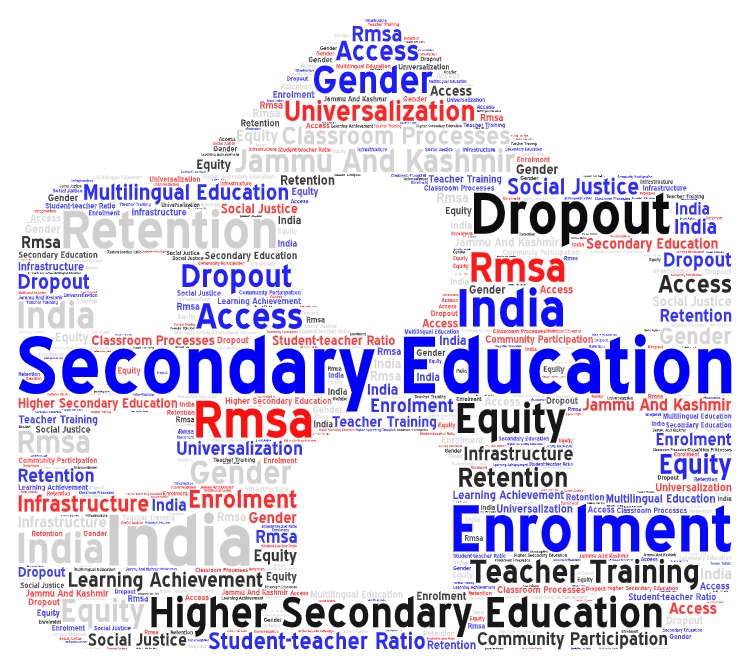
The course examines the status, issues, and concerns of secondary and higher secondary education in India, with special reference to Jammu and Kashmir. It explores enrolment, retention, dropout, teacher training, classroom processes, multilingual education, and learning achievement. The course also analyses universalization initiatives such as RMSA, along with challenges related to equity, gender, infrastructure, access, social justice, student-teacher ratio, and community participation. The course has three units with two subunits
- Teacher: Bharti Tandon
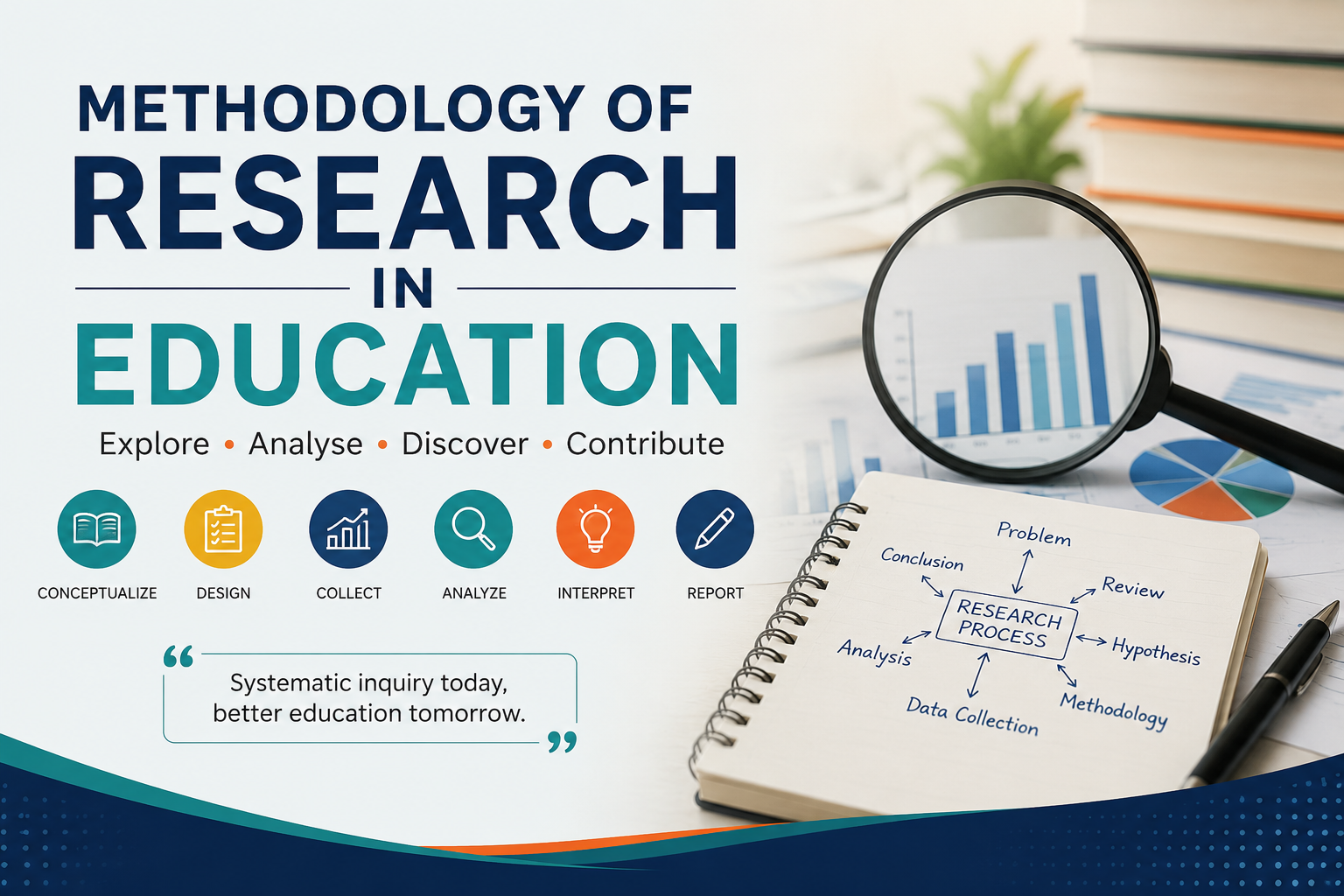
This course is for M.Ed. Semester-I students aimed at enabling them to know about the basic concepts related to research in education.
COURSE LEARNING OUTCOMES
After completing this course, the learners will be able to:
CLO1 describe the meaning of research, types of educational research and research paradigms.
CLO2 explain the meaning, significance and steps of different methods of research.
CLO3 analyse the procedure of establishing hypotheses in educational research along with the sampling process.
CLO4 discuss the framework of preparing a research proposal and strategies for writing a research synopsis.
CLO5 identify the various tools for conducting educational research and the steps for writing a research report.
- Teacher: Nishta Rana
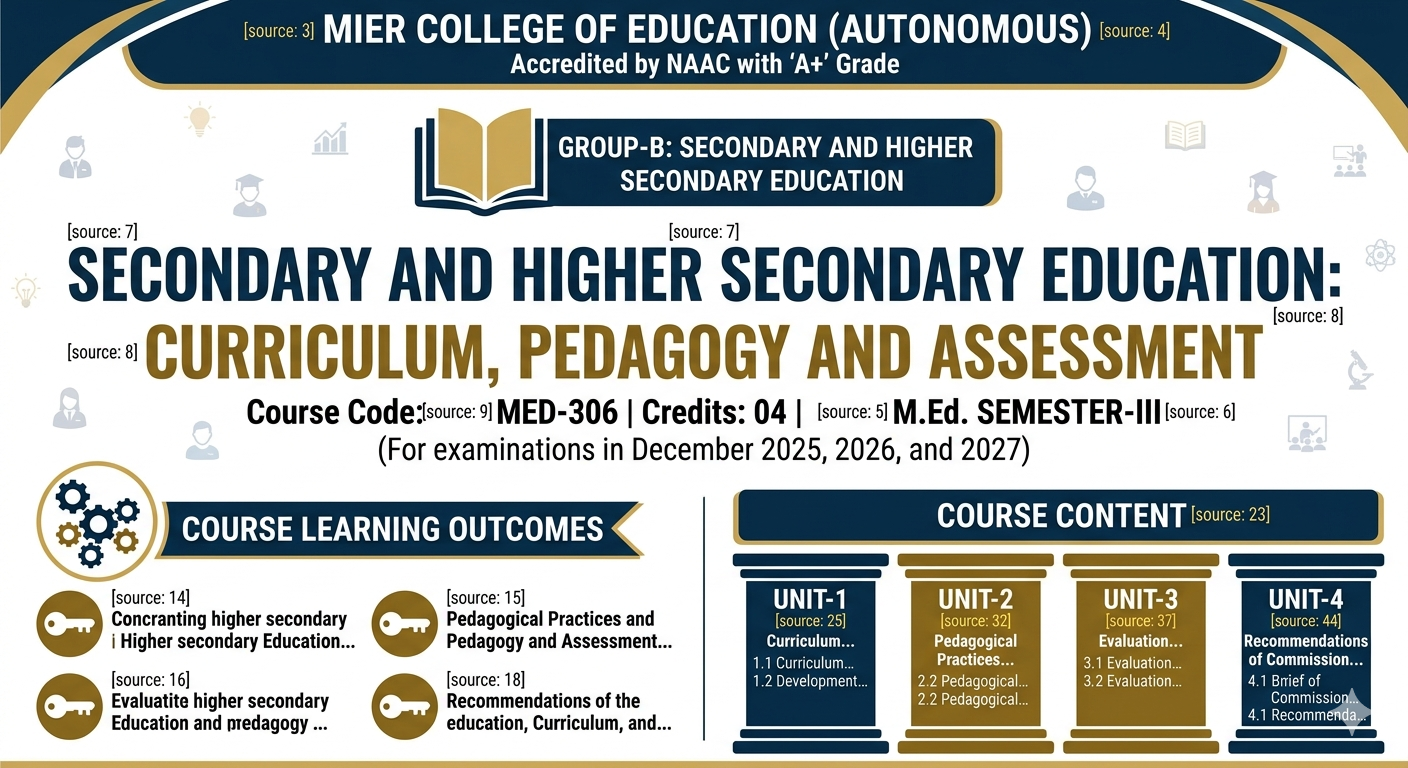
The course Secondary and Higher Secondary Education: Curriculum, Pedagogy and Assessment is designed to provide M.Ed. students with a comprehensive understanding of the philosophical, psychological and social foundations of curriculum development at the secondary and higher secondary levels of education. The course critically examines the provisions and recommendations of national curriculum frameworks, educational policies, commissions and government programmes related to secondary education in India. It focuses on the nature, functions and characteristics of effective curriculum and explores contemporary issues such as work-centred pedagogy, inclusivity, flexibility and relevance in curriculum planning.
The course further familiarizes students with diverse pedagogical practices and innovative teaching approaches suitable for secondary and higher secondary classrooms, including discussion, project work, laboratory methods, seminar, fieldwork, collaborative and cooperative learning, and the integration of ICT and smart classroom technologies. Emphasis is also placed on understanding evaluation and assessment practices, including formative and summative evaluation, Continuous and Comprehensive Evaluation (CCE), norm-referenced and criterion-referenced evaluation, grading systems, portfolio assessment and examination reforms.
In addition, the course enables students to critically analyse the historical development of secondary education in India and interpret the recommendations of major commissions, national policies and educational schemes aimed at improving access, equity, quality and inclusion at the secondary and higher secondary stages. Through discussions, seminars, school visits, surveys and reflective activities, the course seeks to develop professional competencies required for curriculum transaction, educational assessment and policy understanding in contemporary secondary education.
- Teacher: Bindu Dua
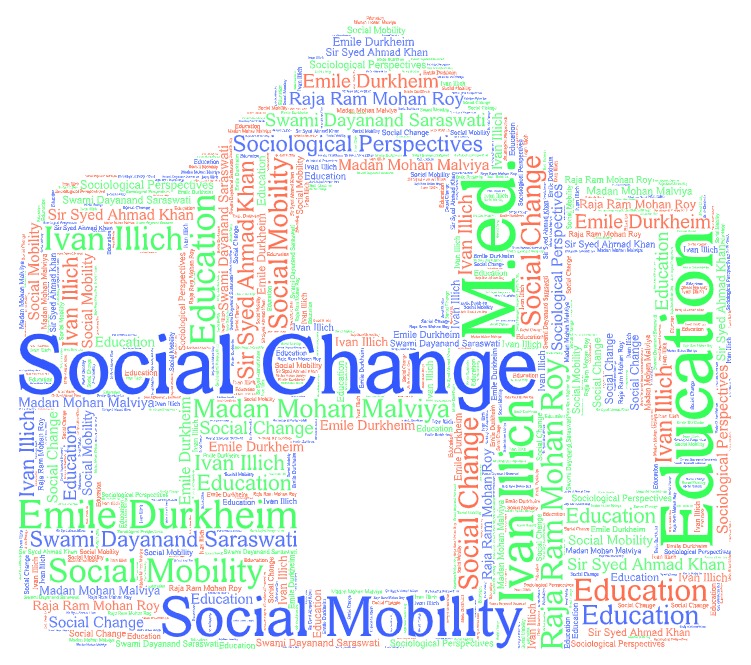
This Moodle course for M.Ed. Semester-II students focuses on Unit III: Social Change and Social Mobility in the course Sociological Perspectives of Education. The course explores the concept, nature, and factors influencing social change, including endogenous and exogenous factors, and their impact on education in a changing society. It also examines social mobility, its types, and educational implications. Further, the course highlights the contributions of great social thinkers and reformers such as Swami Dayanand Saraswati, Raja Ram Mohan Roy, Madan Mohan Malviya, Sir Syed Ahmad Khan, Emile Durkheim, and Ivan Illich towards social reforms and educational development
- Teacher: Komal Sharma
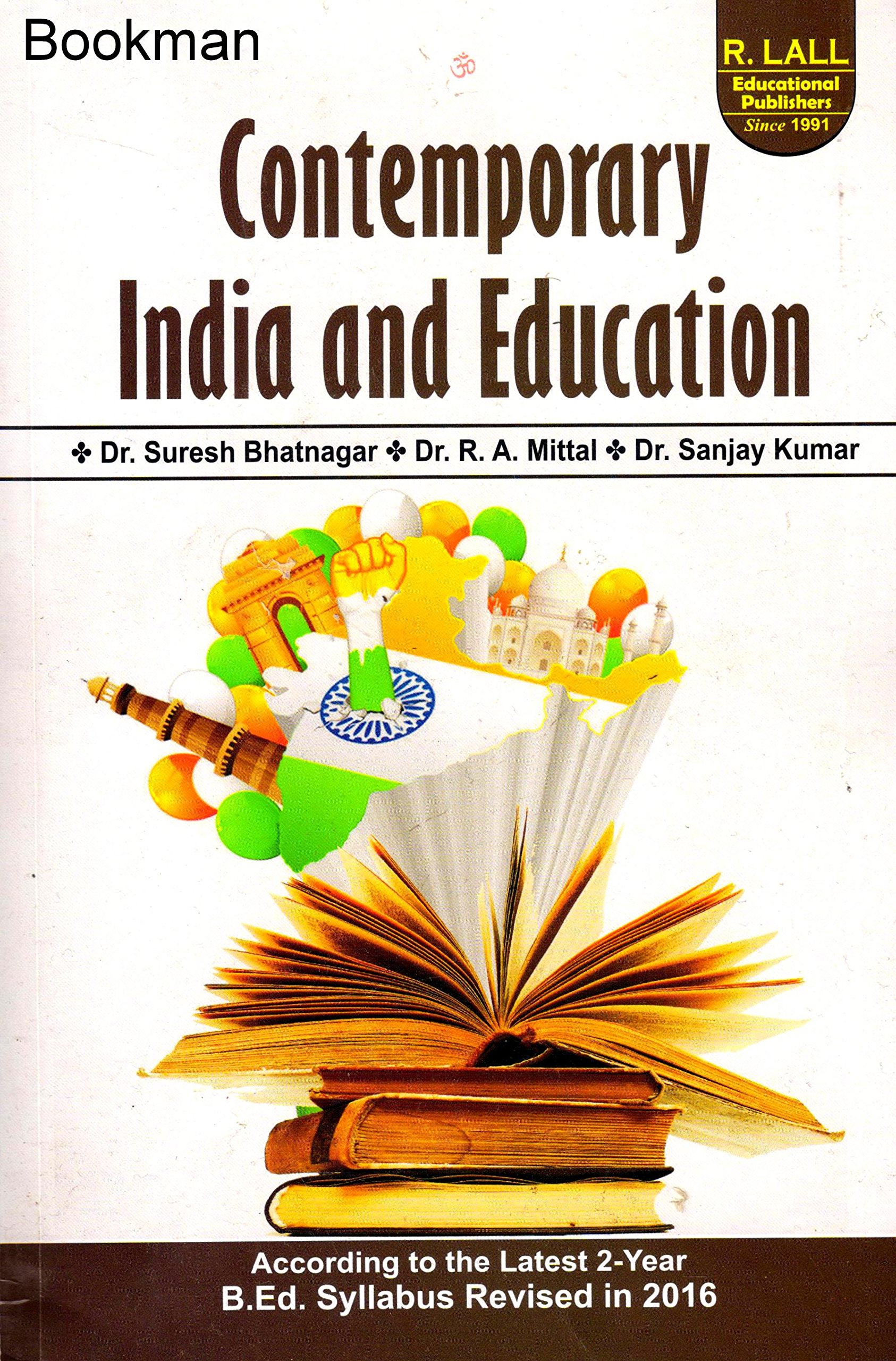
This course introduces the nature and purpose of education , develop perspective about education system and its process and helps to understand the concept of knowledge and process of acquiring knowledge , It analyses the nature of education as a discipline with interdisciplinary base and also analyse inter-relationship between different forms and sources of knowledge
The course introduces the learners with the concept of educational measurement and evaluation. The learners will be able to distinguish between norm-referenced and criterion-referenced tests.
- Teacher: Mool Raj